Where it comes from
An Assyrian inscription, a Greek school, and the Bible
Three traditions sit under the modern system, and not one of them was about your personality. The meanings are old. The reading that turns them into a description of you is about a century old.
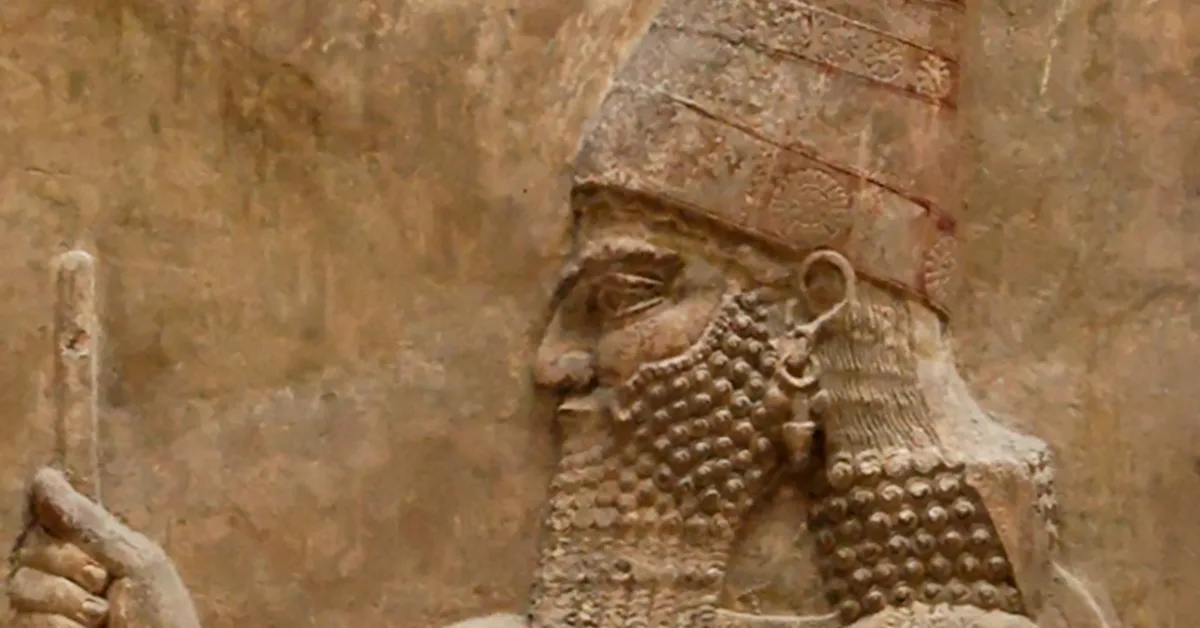
Gematria
King Sargon II built his city wall 16,283 cubits long, "to correspond with the numerical value of his name". Assyrian, not Jewish and not Greek, and two centuries before Pythagoras was born.
727–707BCEThe oldest clear gematria we can read
Read it →
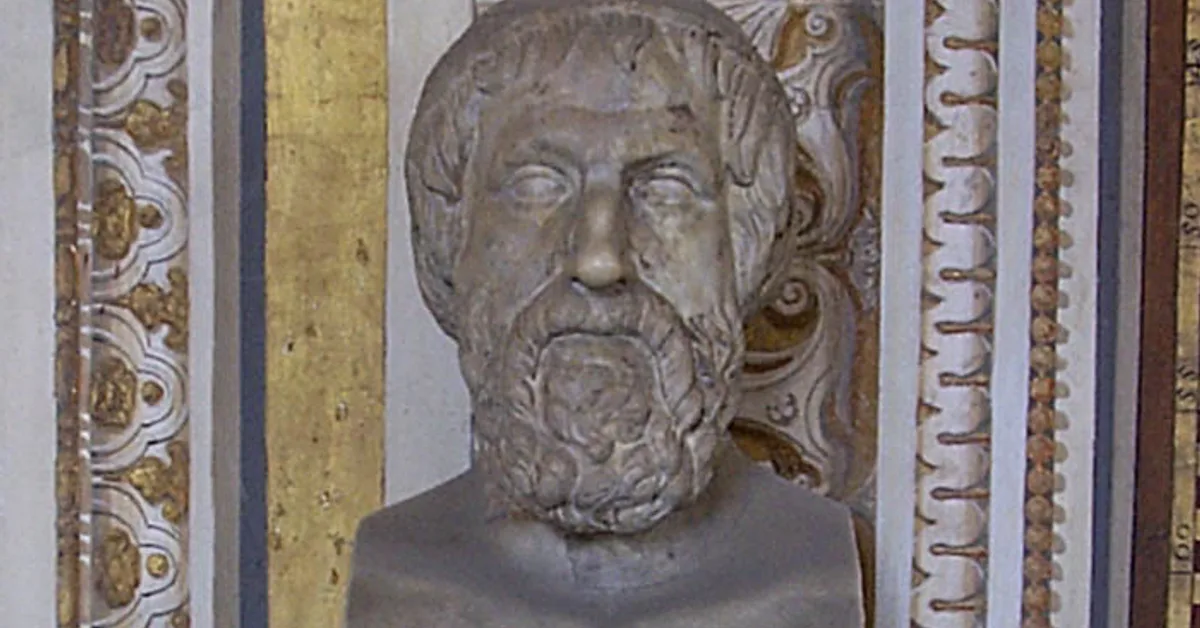
Pythagoras
The doctrine reaches us second-hand, through Aristotle's hedged "so-called Pythagoreans". Between what that school taught and the chart that carries his name sits a gap of about two thousand years.
0Words Pythagoras left in writing
Read it →
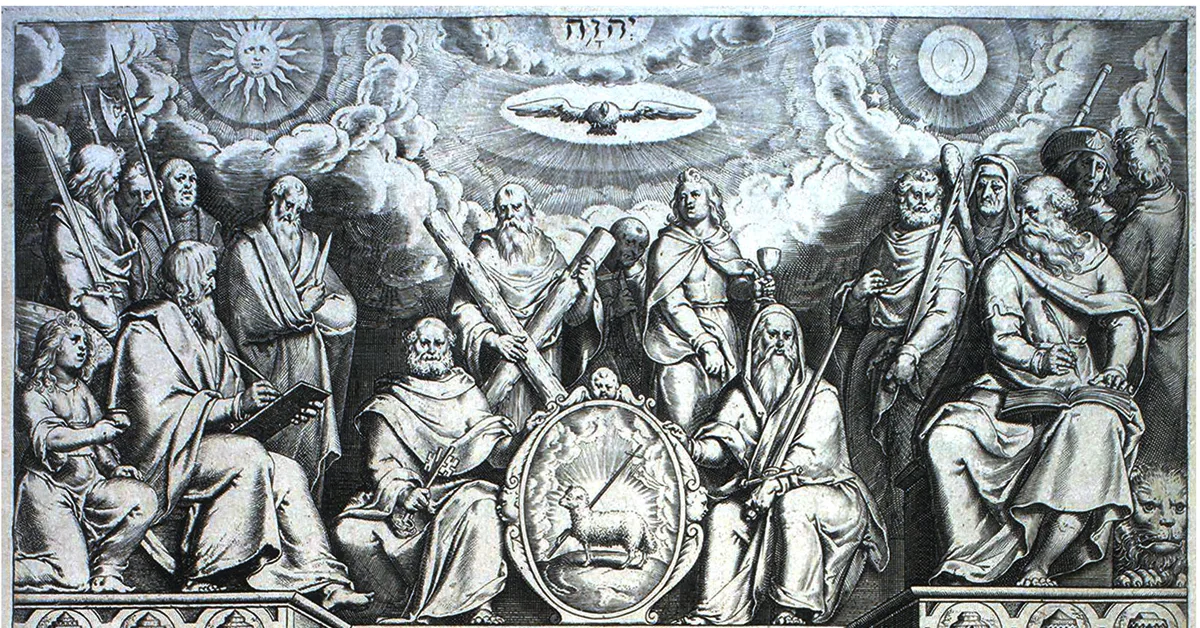
Numbers in the Bible
Counted rather than asserted, and sorted by who supplied each meaning: stated in the text, read by the text itself, or added later by a named commentator.
376Times seven is used in the King James text
Read it →
Belief, measured
You're not the only one asking
Whether numerology is real, who takes it seriously, and what happens when enough people agree that a number is unlucky. The last one is the easiest to measure: it turns up in lift buttons and in house prices.
Is numerology real?
Forer handed every student the same personality profile and they rated it as uniquely theirs. The vagueness that makes a reading a useless oracle is the same property that makes it a workable surface to think against.
4.26/5How well one identical sketch fitted 39 people
Read it →
Who actually believes it
30% consult astrology, tarot or a fortune teller in a year and 27% say they believe in it. Almost nobody hands it a decision. Pew's numbers, read in full.
1%Of US adults rely on it for a big decision
Read it →
What a number costs
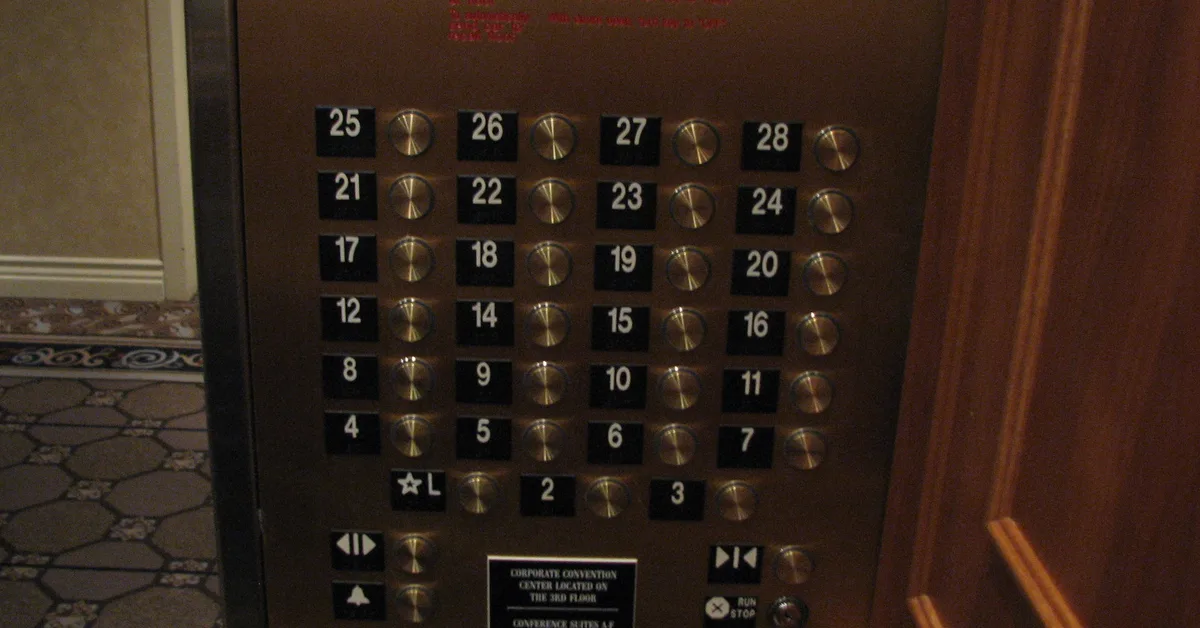
Tetraphobia is common enough to redraw an elevator panel, and economists have measured what it does to prices. Belief moves real money whether or not it is true.
63.5%More paid for an extra 8 than a 7
Read it →
Numbers we counted ourselves
A Life Path 33 is thirty times rarer than a 7
One bar, every birth date in the 400-year calendar cycle, split by Life Path. Six of the nine digits land on the same 11.11% share; the unevenness is entirely what the master numbers skim off 2, 4 and 6.
146,097
Birth dates counted, one full calendar cycle
How common is each Life Path?
Every date from 2000 to 2399 reduced by hand-checked code, leap day included, with the method written down so you can re-run it. Nobody else in the niche has counted this.
Read it →
97of 400
Times 29 February comes round in the cycle
The rarest birthday of all
Nothing to do with reduction: 29 February exists only in a leap year, so it comes round far less often than any other date, whatever Life Path it makes.
Read it →
The five calculators
Work out your own numbers
One method run on five slices of you. Every step is shown, nothing is stored, and there is no email wall in front of the answer.
Reference
If you want the whole system
The parts you keep coming back to: how the arithmetic works, how the five numbers fit together, and what to do with a sequence that keeps turning up.
The Numerology Guide
How the numbers are worked out, which five people usually mean, and where each part came from and when, from an Assyrian inscription to a 1905 book about vibration.
A–ZReduction, letters, and their history
Start here →
The numerology chart
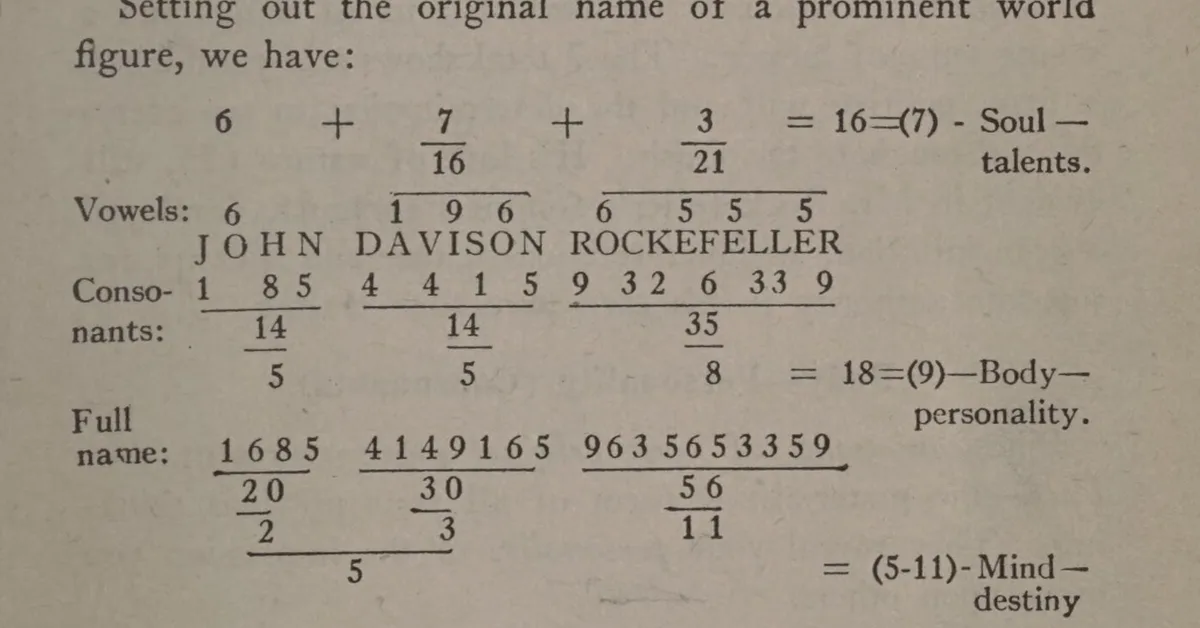
What a chart actually is: which slice of you each number reads, where it comes from, and why the five are read against each other rather than one at a time.
5Core numbers, and how they fit together
Read it →
Angel numbers
What the sequences are said to mean, how each is read through its underlying digit, and the real and recent history of where the idea came from.
12Sequences, each taken one at a time
Read it →